Source record
The Digital Quagmire: How Online Addiction and Fake News are Shaping Young Minds
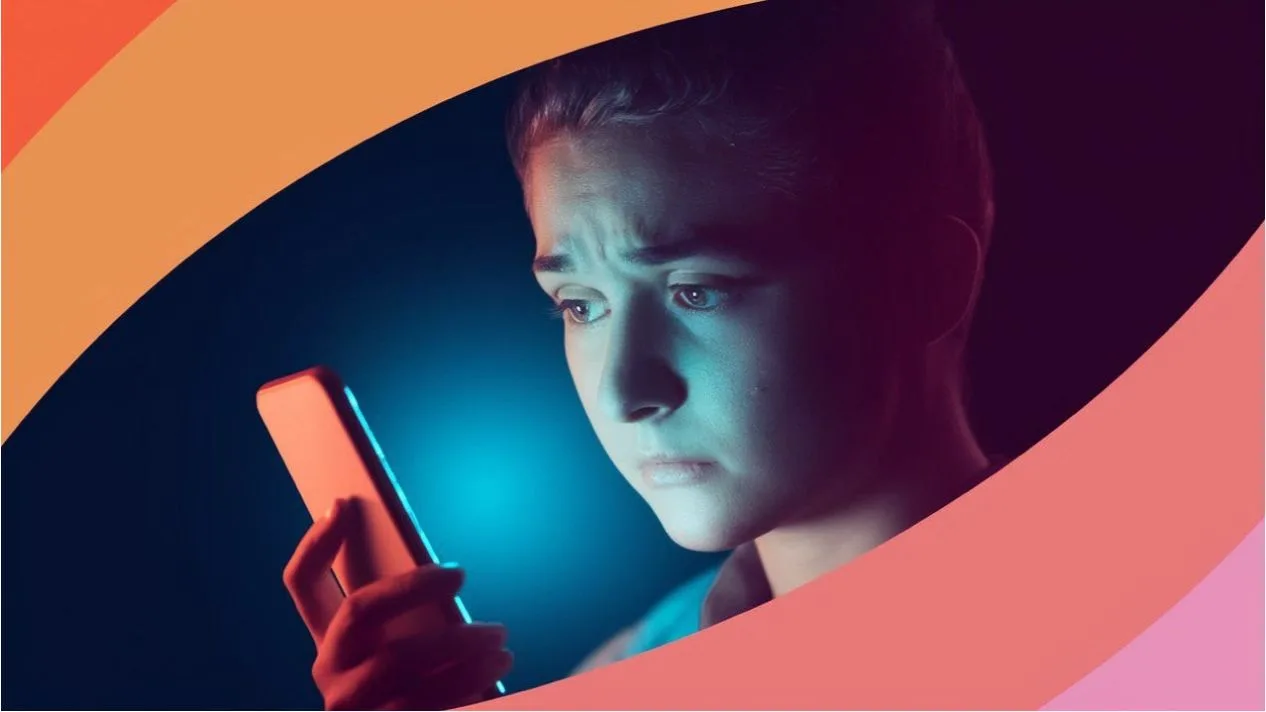
“We’re not just connected—we’re entangled. Screens cling to our every waking moment, feeding us endless updates, opinions, and illusions. But behind the endless scroll, there’s a psychological storm brewing.”
Welcome to the age of constant connectivity, where our phones and laptops feel like extensions of our bodies, and where true “offline” moments are a luxury. For millions of young people, born into a reality where the internet is as ubiquitous as oxygen, this hyper-connected existence poses both thrilling opportunities and lurking perils. On one hand, never before have teens and twenty-somethings had such immediate access to education, global communities, and creative outlets. On the other, the rise of digital addiction—coupled with fake news, conspiracy theories, and propaganda—threatens to erode not only their mental health, but also their trust in reality itself.
Below, we’ll embark on a deeper exploration of these phenomena: how they manifest in everyday life, what science reveals about their impact on young minds, and what practical steps can be taken to avoid a worst-case scenario for the next generation.
The average teenager in many developed countries now logs up to 8–9 hours daily on entertainment media—this excludes tech-based schoolwork. Social media, streaming services, online gaming, and an endless array of clickbait articles compete ferociously for their attention. For many, the smartphone is the last thing they see before going to bed and the first thing they reach for upon waking.
A 2021 study by Common Sense Media indicates that about 60% of teens feel they spend too much time online, but over half also admit they find it nearly impossible to cut back. It’s a bitter paradox: they want to change, yet the digital environment—and their own social ties—pull them back in every time. Research from the Pew Research Center likewise shows 54% of teenagers stating it would be hard to give up social media, and nearly one-third saying they are online “almost constantly.”
Why is it so hard for young people (and frankly, all of us) to log off? Partly, it’s the way apps and sites are engineered. From infinite scrolls that never let you reach the “bottom” of a feed, to push notifications that keep intruding on your train of thought, these interfaces are specifically designed to keep you engaged. Neurologically, each new notification can trigger a tiny surge of dopamine, rewarding the brain with a pleasant little “hit.” Over time, the brain learns to crave these hits.
What’s more, unpredictability is key to hooking users. Psychologists compare social media apps to slot machines: every refresh of your timeline might bring a new like or message, or it might bring nothing. Such uncertainty can be incredibly habit-forming. For adolescents, still in the process of developing impulse control and self-regulation, these “reward loops” can be especially potent.
Case in Point: Sophia, a 16-year-old honors student, once dreamt of being a veterinarian. Over the last two years, her free time has been swallowed by social media challenges and streaming binges. She acknowledges that her homework suffers. “I end up scrolling for hours without even realizing it,” she says. “It’s not that I don’t care about my grades anymore—I just literally can’t stop. My mind craves the updates.” On multiple occasions, she’s tried self-imposed bans but always comes back.
It’s not just academics or sleep that suffer; personal relationships can fray as well. Constant digital immersion often means less face-to-face interaction. According to the American Psychological Association (APA), the shift from in-person bonding to online communication can exacerbate feelings of isolation. In one survey, 53% of teens reported feeling more alone despite being digitally “connected” all day. Social media fosters a sense of “ambient intimacy,” but can also sabotage deeper, more meaningful conversation.
Neuroscientists describe the adolescent brain as a “construction site,” busily creating and pruning neural connections. This makes it flexible—great for learning—but also vulnerable. Studies using functional MRI have found that teens who check social media frequently (often more than 10–15 times a day) exhibit heightened activity in brain regions associated with reward prediction and sensitivity to peer feedback. Basically, the more they scroll, the more their brains anticipate social affirmation.
Once the habit is formed, we see a pattern similar to other addictions: ignoring negative consequences, experiencing anxiety without the “substance” (in this case, social engagement), and craving repeated exposure. This neural rewiring can make it more difficult for a young person to focus on mundane tasks. Researchers at King's College London discovered that high social media users have a significantly lower attentional control on tasks requiring sustained concentration.
Excess screen time has also been correlated with diminished gray matter in the prefrontal cortex—the seat of decision-making and impulse control—though some of these findings are preliminary. Meanwhile, psychological research indicates that heavy social media use is linked to lower self-esteem, heightened stress, and increased risk of depression.
For instance, a 2022 study out of the University of Pennsylvania found that participants who limited social media use to 30 minutes a day showed a notable reduction in depressive symptoms within just three weeks. That statistic resonates when you consider how many teens exceed 3–4 hours daily on various apps. The same study pointed to the vicious cycle: they go online to quell discomfort or FOMO, only to end up feeling worse from overexposure to curated, “perfect” images and sensational content.
The phrase “fake news” once evoked satirical websites, but it now encompasses a broad swath of fabricated or manipulated information. In many cases, these narratives are designed to provoke strong emotions—fear, outrage, or moral superiority—exactly the kind of reactions that prompt people to like, share, and comment. Psychologists note that once a claim is repeated enough times, it acquires a veneer of truth, at least in the minds of some readers.
Consider the 2018 wave of child-kidnapping rumors in India, spread through WhatsApp forwards. Entire villages descended into panic, leading to wrongful mob killings of innocent travelers. In the United States, election seasons and major crises (like the COVID-19 pandemic) become fertile ground for misinformation, from unproven “miracle cures” to conspiracy theories about clandestine global plots.
Why does fake news spread so fast, sometimes 70% faster than verified reports? Part of it is that sensational stories trigger an emotional jolt. Fear-based headlines light up the amygdala, the brain’s center for threat perception. Fear overrides rational thinking, especially in younger brains not yet adept at filtering out manipulative narratives.
Moreover, “filter bubbles” on social media ensure we see content aligned with our existing views. If a teen believes, for example, that mainstream medicine is corrupt, the algorithms may feed them more conspiratorial articles. Over time, they lose perspective. Their worldview warps.
Case in Point: Aaron, age 19, stumbled upon a YouTube channel claiming that a “global syndicate” was behind every major geopolitical event. At first, he watched out of curiosity. Within months, YouTube’s recommendation engine pushed him deeper into content that escalated fear and distrust. He began skipping college classes, convinced real knowledge lay in these “hidden truths” only accessible online. His grades plummeted, relationships frayed, and a clinical diagnosis of anxiety soon followed.
Extended exposure to propaganda or paranoid conspiracies can breed cynicism and despair. The ISD (Institute for Strategic Dialogue) notes that extremist movements often target lonely, impressionable youths. Anxiety about the future, combined with a sense that “no one is telling the truth,” can set the stage for a downward spiral. Not only do mental health professionals see rising rates of anxiety and depressive disorders among such individuals, but entire communities are impacted when fear-based ideologies permeate social life.
Molly, a 14-year-old British girl, exemplifies the darker side of social media. Quiet and artistic, she battled depression in silence. Late at night, she found herself immersed in self-harm content on Instagram and Pinterest—posts glamorizing suicidal thoughts. Over six months, she saw over 2,000 such images. Tragically, she died by suicide in 2017. A coroner later deemed social media’s role “deeply disturbing,” pointing to the way algorithms recommended more harmful content once her browsing patterns suggested vulnerability.
Then there’s Jamal, a 17-year-old in Toronto, who discovered online gaming in eighth grade. At first, it was a stress reliever. But soon, he was online five or six hours a day. Fast-forward two years: he’s playing 12–14 hours on weekends, skipping meals, ignoring calls from friends. His sleep routine is in ruins. Jamal’s parents only realized how serious it was when they found he’d racked up hundreds of dollars in microtransactions. By then, he’d become distant and irritable, barely maintaining a passing grade in school. With professional help, he eventually enrolled in an outpatient program focusing on behavior therapy and digital detox techniques.
Katie, 20, was a straight-A college student who prided herself on her intellect. During the height of the pandemic, she began frequenting a subreddit touting alternative health cures. At first, it seemed innocuous—exotic herbs, anti-inflammatory diets. Then came the more extreme claims: “Doctors are lying,” “Big Pharma is stifling real cures,” and so on. Slowly, Katie drifted from mainstream science-based approaches, refusing vaccines or proven treatments for minor ailments. She even confronted her family members for seeing a traditional doctor. This rift undermined her relationships and left her in a state of constant paranoia about being deceived. Only after months of tension did Katie’s mother persuade her to see a campus counselor. She describes it as an “awakening,” admitting she’d never realized how the echo chamber of conspiracies twisted her perspective.
Neuroscientists emphasize that adolescence is a critical period of neurological growth. The brain’s prefrontal cortex, essential for impulse control, is still maturing. Meanwhile, the limbic system, responsible for reward and fear responses, is very active. This imbalance means teens can be extra sensitive to emotional content and novelty. Whether it’s a sensational headline or a “like” on Instagram, their developing minds are primed to respond strongly.
Social acceptance has always been crucial in teenage years, but it’s amplified in the age of digital “likes” and “follows.” This can fuel a reliance on social media for self-worth. One major study found that 68% of young people felt more insecure after comparing their everyday experiences to the curated, highlight-reel images of peers and influencers. This same group was also more susceptible to misinformation on topics like body image or radical diets.
Unlike older generations, today’s teens don’t see the internet as separate from “real life.” Their digital identity is intertwined with their physical one. If something goes viral online—be it a rumor or a hurtful meme—it intrudes into their friend groups and school corridors. The synergy between the digital realm and daily life intensifies the psychological impact of what they encounter online.
Many experts argue that big tech must shoulder more responsibility. Proposals include age-appropriate design guidelines to reduce addiction triggers, transparent algorithms so misinformation doesn’t get amplified, and fact-check “speed bumps” that momentarily halt the share of unverified content. Some platforms are experimenting with features that nudge users to “take a break” after extended use. If these moves gain traction, social media might become less manipulative.
Legislation also plays a role. After high-profile cases of self-harm and extremist violence sparked by online content, countries like the UK have considered laws holding platforms accountable for harmful, algorithm-driven recommendations. Even major corporations like YouTube and Facebook (Meta) are grappling with how to better label or remove false material while preserving free speech.
Perhaps the most enduring bulwark against misinformation is robust media literacy education. Some schools now integrate lessons on spotting fake news, double-checking sources, and recognizing sensational or manipulative language. In Finland, these skills are taught from an early age—part of why it ranks as one of the least susceptible countries to disinformation.
Critical thinking modules and workshops help teens decode bias in headlines and question questionable claims. Teaching them about the business models of social platforms—how these companies profit from time spent online—can empower them to take control. When adolescents discover they are essentially the product sold to advertisers, they often approach their digital engagement more thoughtfully.
Healthcare professionals see a rising need for structured interventions. Cognitive-behavioral therapy (CBT) can help individuals rewire their relationship with technology, addressing underlying anxiety or depression that fuels the compulsion to escape online. Group therapy programs, where participants share coping strategies and track each other’s progress, have shown promising results.
Digital detox weekends or camps are another avenue. Despite initial resistance, many young people report relief after stepping away from the constant pings and notifications. They rediscover older joys—reading, nature walks, in-person conversations. Some families arrange “tech sabbaths,” where everyone, including parents, unplugs devices for a set window. The reset can do wonders for mental clarity and family bonding.
Studies suggest that social support networks offline can mitigate the mental health damage of online negativity. If teens maintain a circle of real-life peers and mentors, they’re less likely to be fully swayed by internet echo chambers. Encouraging clubs, sports, volunteer activities, or art groups fosters community. This helps young people find meaningful recognition away from screens.
Meanwhile, bridging generational divides can reduce the stigma some older adults feel toward youth’s digital immersion. If parents, guardians, and educators approach the issue with understanding rather than scorn or blame, they can more effectively guide kids toward balanced habits. Open dialogue about misinformation—like analyzing viral rumors together—can also prime teens to think critically.
As we stand on the threshold of quantum computing, brain–machine interfaces, and immersive virtual worlds, the stakes are set to rise further. Some experts worry about the advent of neural implants that allow us to access data or even “share” emotions directly. If we’re already struggling with misinformation, what happens when rumors can be beamed straight into our cognition?
Yet the vision of transhumanism—enhancing human capabilities through biotech and AI—doesn’t have to be dystopian. If we develop wise policies, robust education, and cultural norms that value digital ethics, we might well harness these emerging tools to cure diseases, expand knowledge, and strengthen global collaboration.
Regardless of how technology evolves, the idea of “free will” remains. Even if companies design addictive features, individuals still have the power (albeit with difficulty) to set boundaries. Encouraging daily self-assessment—Am I losing time mindlessly? How do I feel after bingeing on social media?—can reveal unhealthy patterns before they spiral.
Experts recommend something called “attentional hygiene”: regularly auditing what you pay attention to, controlling who or what influences your worldview, and actively seeking offline experiences. In short, the question is: Do you direct your digital life, or does it direct you? Adolescents and young adults who master this skill will be better prepared for the next waves of innovation.
We live in a paradoxical time: never so networked, yet many feel increasingly isolated; never so informed, yet disinformation proliferates at astonishing speed. It would be easy to succumb to fatalism—after all, the digital realm can seem unstoppable. But the cumulative efforts of educators, scientists, mental health advocates, and forward-thinking tech designers remind us that progress is possible.
One of the greatest challenges for young people is distinguishing between illusions broadcast to manipulate them and legitimate knowledge that can expand their horizons. They also grapple with continuous comparisons to unrealistic lifestyles, feeding insecurity and anxiety. The combined pressure can be crushing. Yet with awareness, support, and the right toolkit, they can reclaim their agency.
Imagine a future where social media platforms reward thoughtful content rather than outrage, where every teen learns how to evaluate sources, and where mental health support is readily available to help them navigate the labyrinth of the web. That future isn’t guaranteed—nor is it impossible. The trajectory hinges on countless individual decisions made by families, schools, companies, and policy-makers.
Teens like Sophia and Jamal, or even older youths like Katie, do find their way back. Sophia, for instance, started a “phone stacking” practice with friends where everyone places phones away during lunch, forcing genuine conversation. Jamal, after therapy, discovered coding as a hobby and now uses his interest in gaming to create, not just consume. Katie managed to rebuild trust with her family, stepping back from extremist threads and learning to cross-check claims with reputable sources. Their journeys are reminders that though the digital labyrinth is fraught with pitfalls, it is navigable.
At the heart of this discussion sits a fundamental truth: technology, in itself, is neither good nor evil. It magnifies human tendencies—creative or destructive. The real question is how we harness it to nurture curiosity, empathy, and well-being, rather than feeding illusions or addictions.
To every young person reading this: you have the power to shape your own digital destiny. Practicing mindful usage, seeking credible information, and forging strong offline bonds won’t just protect your mental health—they’ll let you get the best of what the internet can offer, from global connection to infinite learning opportunities. Whether you become a passive consumer of carefully engineered feeds or a thoughtful navigator of the endless possibilities is ultimately up to you.
So, the next time you feel that subtle itch to scroll at midnight, ask yourself: Who am I doing this for, and what am I seeking? If the answer is uncertain—or if the habit drains your mental reserves—maybe it’s time to step back and reconnect with the offline world. Far from being an escape, it might be your first step toward reclaiming freedom in an era that often confuses endless connectivity with genuine progress.
Because no matter how advanced technology becomes, the human mind remains our most precious asset—and, ironically, our most vulnerable one.